With around 480,000 inhabitants across the metropolitan area and around 240,000 in the city itself, Rennes is growing quickly. The territory welcomes around 5,000 new inhabitants every year, while nearly 30,000 people are currently waiting for social housing. At the same time, a large part (60%) of the metropolitan territory is already occupied by housing.
This raises a key question: how can Rennes continue to provide affordable housing without expanding the city?
Making better use of existing buildings
Rennes Métropole has set an ambitious target for 2023–2028: producing around 30,000 new homes while limiting land take and increasing the upcycling of existing buildings. The objective is for 10% of this housing production (around 3,000 homes) to come from building upcycling by 2028.
This can take different forms: renovating vacant or outdated housing, converting offices into homes, adding new floors to existing buildings, or changing housing typologies to better match today's needs.
Combining renovation with long-term affordability
At the same time, Rennes Métropole has been developing the Bail Réel Solidaire (BRS) model since 2018. Inspired by the principles of Community Land Trusts, BRS separates the ownership of the land from the ownership of the home. This reduces the cost of purchasing a home and, through regulated resale conditions, helps keep it affordable over time.
Rennes now has around 900 homes under BRS, and the model is continuing to evolve. The question is no longer only how BRS can make new housing more affordable, but also how BRS could contribute to the renovation of existing buildings? This is particularly interesting in areas where housing is already under pressure.
Testing new approaches in existing neighbourhoods
One example is the historic centre of Rennes. For several years, the metropolitan authority has supported the renovation of deteriorated buildings in the city centre, with the aim of preserving its architectural heritage. The ambition is increasingly to combine this heritage preservation with long-term affordability for households with low incomes.
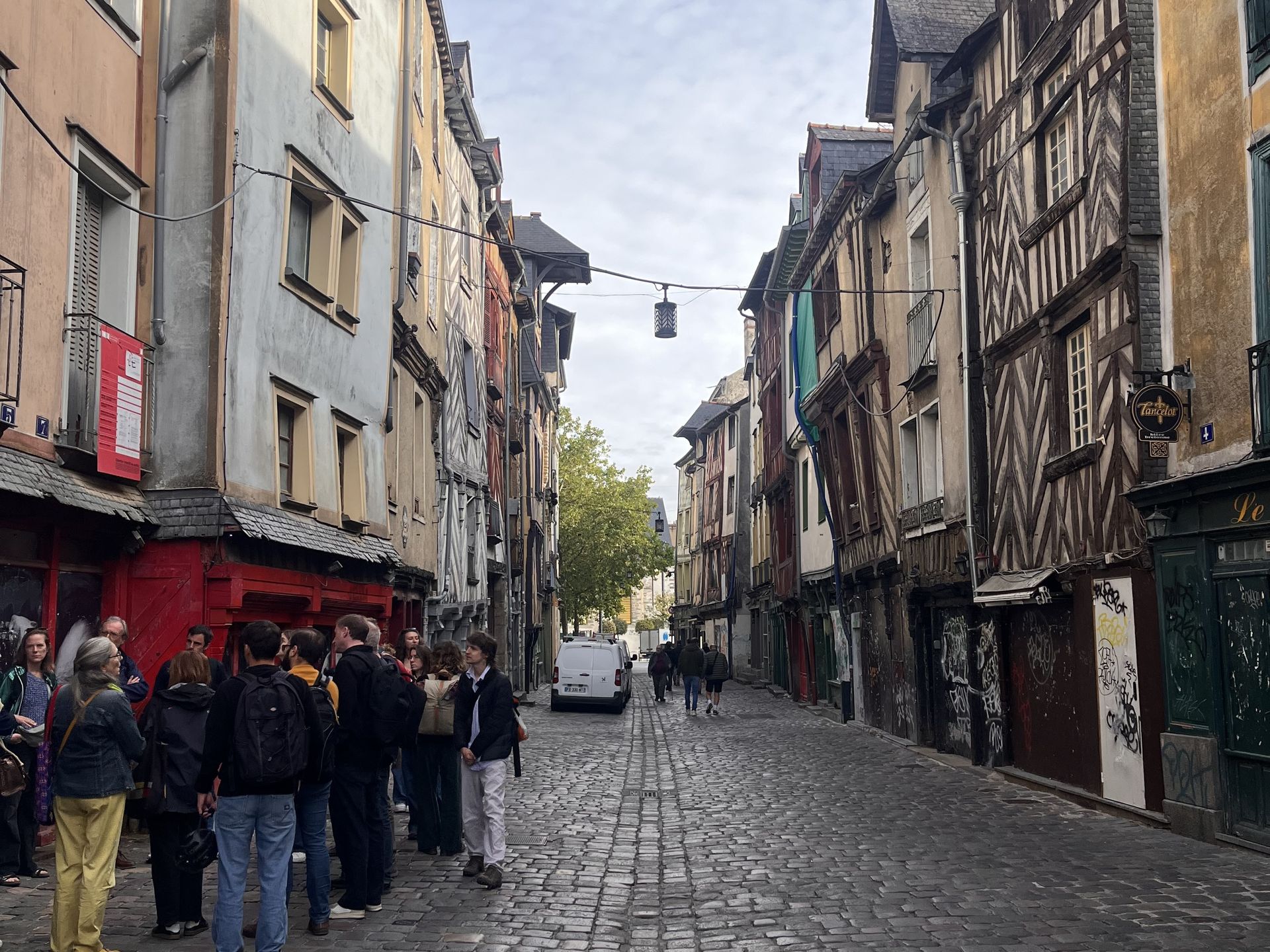
Rennes city-centre.
This is leading Rennes to explore how BRS could be integrated into these interventions, linking the renovation of existing buildings with a mechanism that can keep homes affordable over time.
A similar reflection is taking place through the Upcycling Trust pilot in Villejean, close to the Rennes university campus. The neighbourhood is facing several pressures, including increasing student demand for shared housing, a decline in middle-income and family households, and growing social vulnerability. The aim is to explore how a metropolis could intervene in existing private residential buildings to combine affordability, renovation and social mix.
One of the ideas being explored is to acquire individual homes within private residential buildings and use BRS to keep them affordable, while also creating an opportunity to support renovation. A key objective is to enable renovation without forcing existing residents to leave their neighbourhood.
Rennes is also looking at the experience developed by Community Land Trust Brussels through Upcycling Trust. In this model, owner-occupiers can sell the land value of their property to the Community Land Trust, while the value released from the land can help finance the renovation of the building. This approach could potentially provide a way of combining renovation with continued occupation, although the model is still being explored in Rennes.
From exploration to first acquisitions
The proposals developed for the Villejean pilot, as well as the selection of suitable residential buildings, have now received political validation. Rennes is therefore moving towards the next stage: preparing the conditions for the first acquisitions, with the objective of acquiring between 5 and 10 apartments in 2027. The next challenge will be to identify and engage owners who may be interested in selling their homes through a BRS solution.
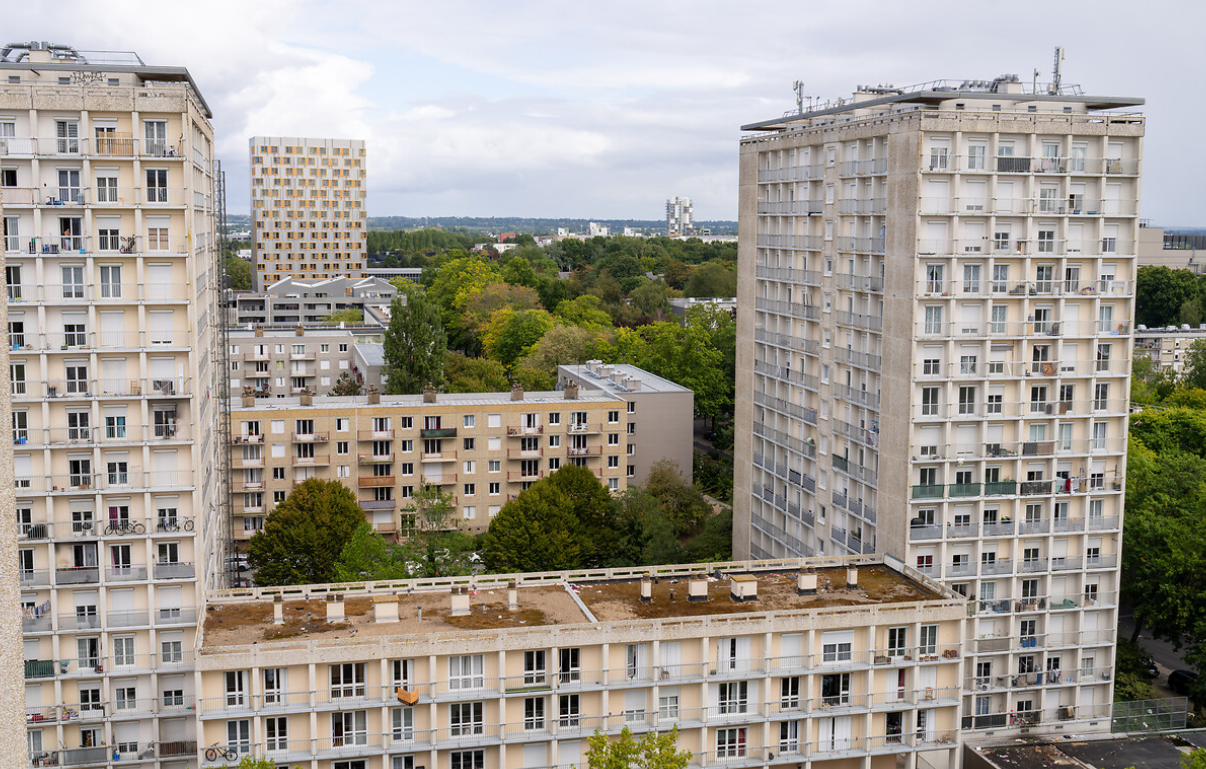
Villejean neighbourhood, ©Rennes Métropole
Towards a new approach to existing housing
Rennes Métropole is therefore exploring how building renovation and long-term affordability can be combined in existing private residential buildings.
The approach is still being developed, and important technical and financial questions remain. Intervening in existing private housing is complex and requires strong involvement from public authorities, as well as new financial and operational mechanisms.
But the direction is clear: rather than looking only at where to build new homes, Rennes is increasingly asking how the buildings and neighbourhoods that already exist can help meet today's housing needs.
And this is where the experience of Upcycling Trust can contribute: by testing how renovation, affordability and long-term protection against speculation can work together.
→ Stay connected with the project: subscribe to the Upcycling Trust newsletter and follow the progress of our pilots and tools.
Press review – Rennes Métropole's strategy for upcycling existing housing:
https://www.tvr.bzh/replay/5b7e385-tvr-info-09-09-2026
https://nouveau.europresse.com/PressReview/55392791/0/55392792/5758074381
https://nouveau.europresse.com/PressReview/55392791/0/55392792/5758074371